
You Cannot Regulate What You Keep Allowing: The Truth About Boundaries and Burnout

There comes a point in your life where something shifts.
Not because you suddenly became “stronger”…
Not because you read one book or listened to one podcast…
But because you got tired.
Tired of overcommitting.
Tired of carrying things that were never yours to carry.
Tired of saying yes when your entire body was screaming no.
And eventually… something in you says:
👉 “I cannot keep doing this.”
The Truth No One Talks About
We hear it all the time:
“Set boundaries.”
“Protect your peace.”
“Stop people-pleasing.”
But what people don’t talk about is what happens next.
Because when you actually start setting boundaries…
👉 People notice.
And not always in a supportive way.
Suddenly, you’re:
- “Mean”
- “Distant”
- “Different”
- “Hard to deal with”
But here’s the truth:
👉 People don’t react to your boundary… they react to losing access to you.
From People-Pleasing to Self-Respect
Most people who struggle with boundaries didn’t start out “cutthroat.”
They started out:
- Ki ...
You Can’t Regulate What You Keep Allowing: The Truth About Boundaries and Nervous System Healing
You’re Doing Everything “Right”… So Why Do You Still Feel Overwhelmed?
You’re journaling.
You’re trying to rest more.
You’re listening to podcasts and working on your mindset.
But somehow… you still feel overwhelmed.
If that’s you, there’s nothing wrong with you.
But there is something missing.
The Missing Piece: Your Environment
Most people think nervous system regulation is about what you do:
- breathwork
- journaling
- slowing down
And yes—those things matter.
But here’s the truth:
Your nervous system doesn’t just respond to what you do.
It responds to what you allow.
If your environment is still chaotic…
If you’re still saying yes when you mean no…
If you’re still constantly overstimulated…
Your body will stay in survival mode.
You Can’t Heal in the Same Environment That’s Overwhelming You
This is where so many people get stuck.
They’re trying to calm their body…
while living a life that keeps activating it.
That disconnect is exhausting.
And it leads to though...
When Life Hits All at Once: How to Reset Without Burning Out
There are seasons in life where everything stacks at once.
Grief.
Stress.
Financial pressure.
Family responsibilities.
Big life transitions.
And if you’re anything like me… your instinct is to push harder.
To do more.
To hold it all together.
To keep showing up like nothing is falling apart behind the scenes.
But here’s the truth no one talks about:
👉 You cannot outwork overwhelm.
👉 And you definitely cannot heal while running on empty.
The Season That Changed Everything
Recently, I walked through one of those “everything at once” seasons.
- Losing my brother
- Losing my job
- Losing my grandmother
- Supporting my mom through surgery
- Trying to build a business at the same time
And if I’m being honest?
I didn’t slow down.
I did what a lot of high-capacity women do…
👉 I pushed harder.
Because somewhere along the way, we learned:
“If I can just get through this… then I can rest.”
But life doesn’t work like that.
The Lie of “I’ll Rest Later”
We tell ourselves:
- I’ll s ...
When Life Doesn’t Go the Way You Planned: How to Reset Without Spiraling

There comes a moment in almost everyone’s life when things don’t go the way we thought they would.
Maybe your career suddenly shifts.
Maybe finances become uncertain.
Maybe your health changes.
Maybe relationships evolve or end.
Or maybe you simply wake up one day and realize:
“This isn’t the life I thought I’d be living.”
When that happens, many people immediately assume something has gone wrong.
They start comparing themselves to others.
They start catastrophizing the future.
They start believing they somehow failed.
But here’s the truth most people never hear:
Life going off script does not mean your life is falling apart.
Sometimes it simply means it’s time to reset.
Why Your Brain Panics When Life Changes
When life suddenly shifts, your nervous system doesn’t respond with calm clarity.
It responds with protection.
Your brain starts asking questions like:
What do I do now?
How am I going to fix this?
What if everything falls apart?
This happens because your brain’s ...
Happiness Fades. Joy Stays. How to Find Joy When Everything Feels Like It’s Falling Apart
There are moments in life when happiness leaves the room.
The job ends.
The diagnosis hits.
The relationship shifts.
The loss knocks the wind out of you.
Happiness disappears because happiness is emotional and circumstantial. It’s dopamine. It’s comfort. It’s “things are going well.”
But joy?
Joy is different.
Joy doesn’t depend on outcomes.
Joy is internal. Anchored. Rooted.
And if you don’t understand the difference between happiness and joy, you will spiral every time circumstances shift.
Let’s break this down.
The Psychology: Happiness vs. Joy
Happiness is:
-
Emotional
-
Triggered by external circumstances
-
Dopamine-driven
-
Temporary
Joy is:
-
Internal
-
Meaning-based
-
Connected to purpose and identity
-
Resilient under pressure
Research in positive psychology shows that hedonic happiness (pleasure-based) fades quickly due to something called hedonic adaptation — we adjust to good circumstances and return to baseline.
But eudaimonic ...
Understanding Stress: The Good, The Bad, and How to Manage It

Understanding Stress: The Good, The Bad, and How to Manage It
What comes to mind when you hear the word "stress"? Do you feel a pang of anxiety, or does your heart start racing? Or do you see stress as a motivator—the push you need to check off your to-do list? If you're like most people, you've probably experienced both perspectives at some point.
What is Stress?
Stress is defined as “response of the body to any demand, whether it is caused by, or results in, pleasant or unpleasant conditions” (Selye, 1976, p. 74). While it often carries a negative connotation, stress isn’t inherently bad. In fact, acute stress can be beneficial—it triggers physiological changes that help us react and adapt to challenges.
Imagine being in a dangerous situation—someone is chasing you, and your body instinctively goes into "fight-or-flight" mode. Your heart rate increases, your muscles tense, and your mind sharpens—all designed to protect you. This same stress response helped our ancestors survi...
The Power of the Pause: Embracing Rest and Boundaries for True Growth

Hello, Resilient Rooted Readers 🌿
Welcome back to the Rooted Resilience community. I’m Wendy Golden, and today I want to talk about something we don’t often discuss honestly—what happens when we pause.
Over the past few weeks, my presence has been quieter. Not because of chaos. Not because I quit. But because I made an intentional decision to stop, reassess, and realign.
And let me tell you—the pause taught me more than the hustle ever could.
The Lesson in the Pause
When you’re building something new—especially in the early stages—momentum can feel like everything. We’re taught that success means constant forward motion.
But here’s the truth no one likes to say out loud:
Sometimes the most responsible move is to stop.
Pausing forces clarity. It exposes what’s sustainable and what’s not. Without reflection, we can build something that looks successful on the outside while quietly burning ourselves out on the inside.
Growth without grounding isn’t growth—it’s survival mode in d...
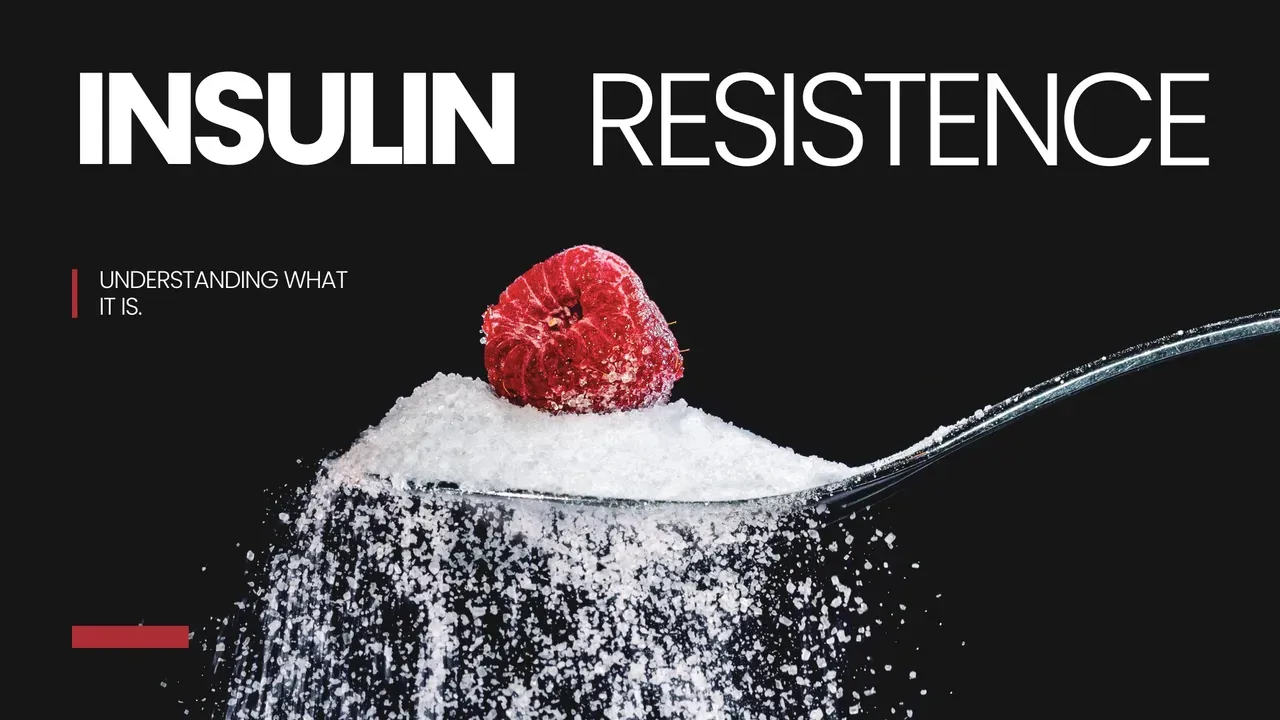
Insulin Resistance: What it is and Why It Matters
Top Tips for Building Everyday Resilience

Gentle Parenting: Myth, Movement, or Middle Ground?
-
It’s not letting your kids run the show.
-
It’s not about being “soft” or avoiding discipline.
-
It’s not about being perfect (because, hello—none of us are).
-
Recognizing your child’s emotions without shaming them.
-
Leading with regulation—because kids borrow their calm from us.
-
Choosing connection over control, even when boundaries are firm.